FREE SHIPPING / USA $100+ / INTL $150+

Part of The Clean Home series
You breathe about 20,000 times a day, and most of those breaths happen at home. Yet air quality is one of the easiest things to overlook — it’s invisible, it’s free, and it’s easy to assume the air inside your house is automatically better than the air outside. Often, it’s not.
Indoor air collects dust, off-gassing from furniture and paint, pet dander, mold spores, and whatever drifts in from outside. None of it announces itself. It just quietly affects how you feel, how well you sleep, and how your body handles everything else you’re trying to fix in your home.
Where Indoor Air Quality Actually Comes From
- Off-gassing — new furniture, paint, carpet, and synthetic fabrics release VOCs, especially in the first weeks after they arrive
- Dust — carries more than dirt; it holds flame retardants, microplastics, and whatever’s shed from fabrics and electronics
- Humidity — too much moisture invites mold; too little dries out your sinuses and skin
- Combustion — gas stoves, candles, and fireplaces all add particulates to indoor air
- Poor circulation — a sealed-up house traps everything above instead of clearing it out
Building Clean Air Into Your Home
Start here:
- Open windows for a few minutes daily, even in colder months, to flush and refresh the air
- Vacuum with a HEPA-filter vacuum and dust with a damp cloth instead of dry-dusting, which just resettles particles
- Let new furniture or mattresses off-gas in a garage or well-ventilated space before bringing them into living areas
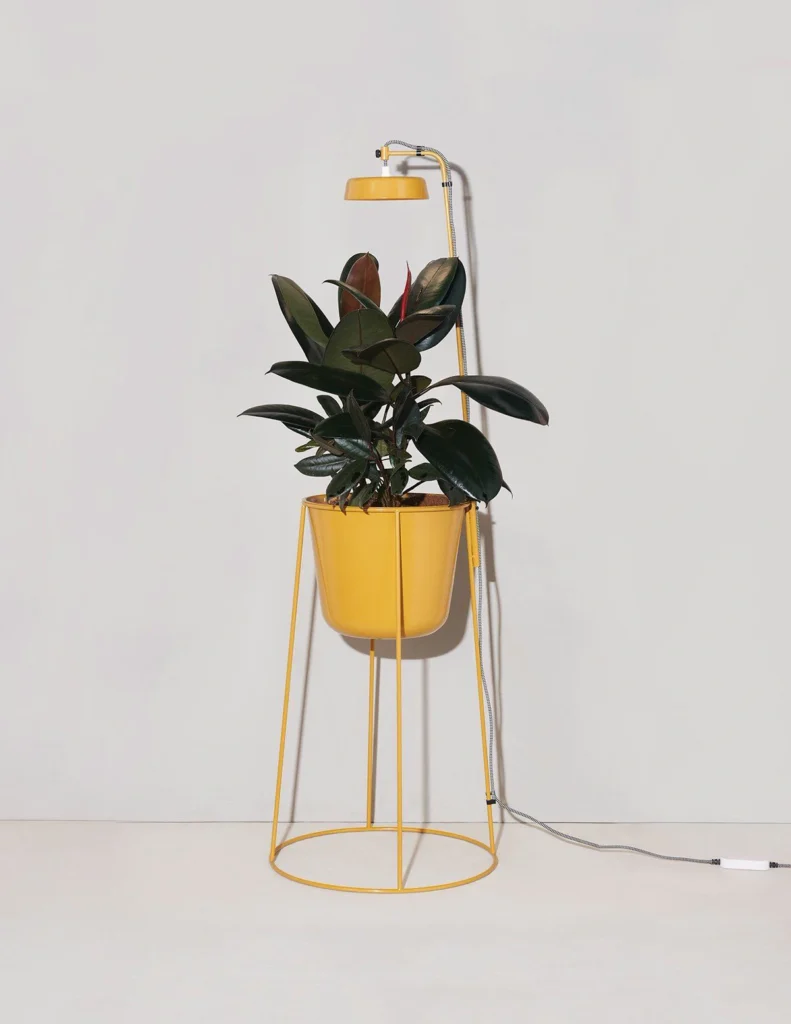
- Add a few air-purifying houseplants for a simple, low-effort boost
Next level:
- A standalone HEPA + activated carbon air purifier for the bedroom, where you spend the most consecutive hours
- Swap dry-dusting habits for regular deep cleaning of vents, ceiling fans, and behind furniture
- Choose low-VOC or zero-VOC paint for any future painting projects
Full transformation:
- Whole-home air filtration integrated into your HVAC system
- An energy recovery ventilator (ERV) for consistent fresh air exchange without losing heating or cooling efficiency
- Replacing synthetic carpet and furniture with natural fiber and solid wood alternatives over time
Start With the Room You’re In Most
You don’t need to overhaul your whole house at once. Start with the bedroom — it’s where you spend the most uninterrupted hours breathing the same air. Clear it of unnecessary synthetics, add a purifier if you can, and crack a window when you can. Clean air isn’t a single fix. It’s a habit of letting your home breathe the way you need to.